🌿
Miao Villages
Silver as Inheritance
4 min read · May 26, 2026
For the Miao, a bride wears her entire family history around her neck — hammered, over three years, into silver.
In the Miao villages of southwest China, a bride does not wear a single piece of jewelry. She wears a record. Around her neck, her arms, her ears, her headdress — hammered silver that says where her family came from, where they migrated, who they were when they arrived. It is her family history, written in a metal that outlasts paper.
Miao filigree is the slowest of the silversmith arts. A single filigree wire is drawn by hand, thinner than a hair, then coiled into a flower that trembles when she moves. The silversmith sits in a low wooden room, often for days, while the pattern takes shape. There is no shortcut. The wire must be thin enough to bend, thick enough to hold.
A full set of Miao wedding silver can take three years to make. It is often begun before a girl is born — the family commissioning it the way another family might commission a name. By the time she wears it, it has been on its own small journey, through many hands.
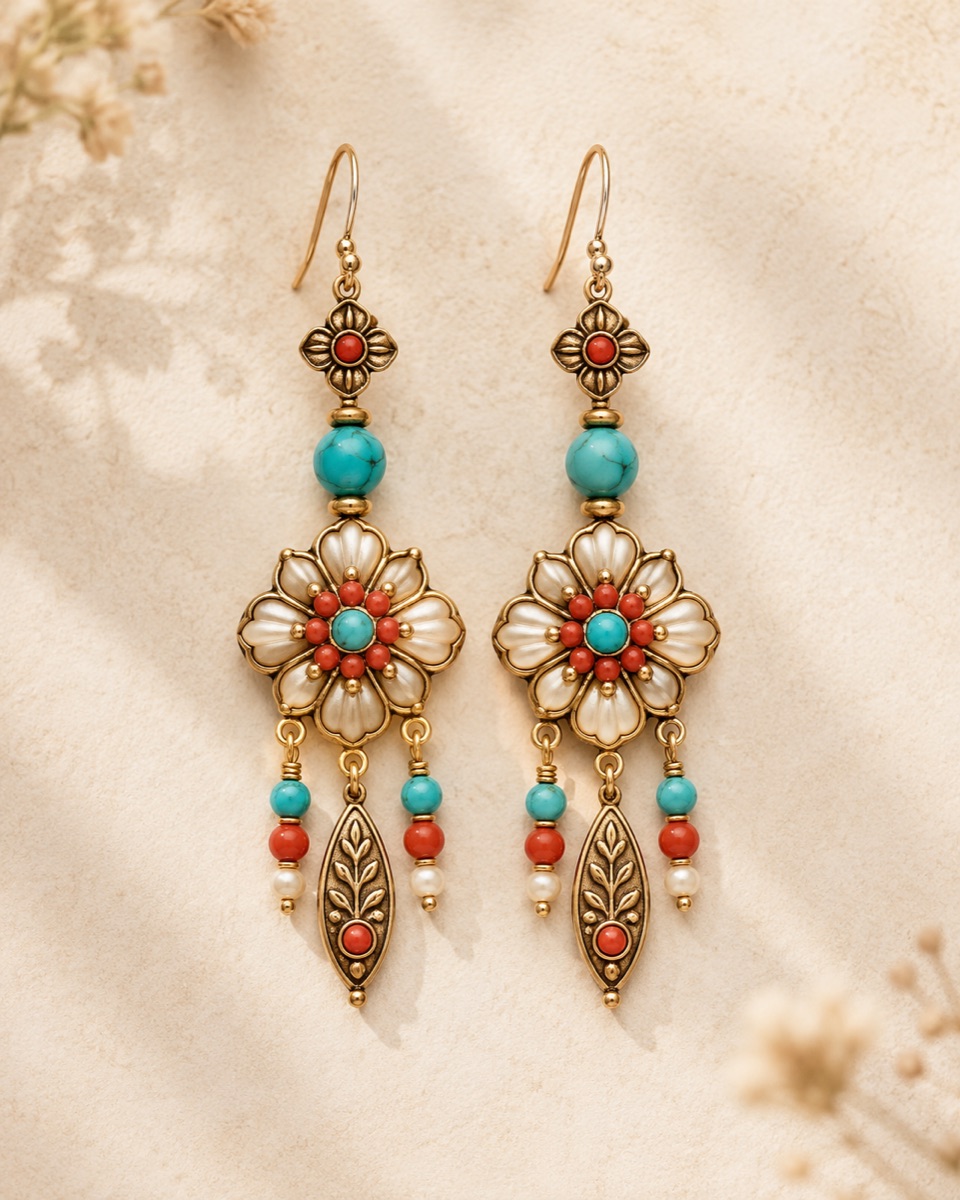
You will not wear three years of silver. But the earring you choose, the pendant you tie, the cord you fasten — they too can be inheritance. Something a daughter borrows on her wedding day, someday. Something the air remembers.
Read another
All stories →Tibetan Plateau
Silver That Remembers
In Lhasa, a silversmith has chased the same lotus pattern for thirty years. He says silver holds the memory of every strike.
Mongolian Steppe
The Knot That Counts Home
Every braid a mother ties for her traveling child is a silent count of the days until return.
Han Literati
Jade That Listens
Jade does not speak. It warms. Worn close to the skin, it slowly takes the shape of the wearer.