Jewelry with Spirit · Stories in Every Piece
Nara Charm

Crystal Meanings

Red Agate & Cinnabar Meaning: The Asian Stones of Blessing & Fortune

Discover the meaning of red agate and cinnabar — the red stones used across Asia for blessing, protection, and good fortune. Learn what these sacred red stones mean.

By Nara Charm·July 1, 2026·5 min read

Why Red?

In many Asian cultures — Chinese, Tibetan, Mongolian, Indian — red is not just a color. It is the color of life, blessing, protection, and good fortune. Red threads are tied around wrists for protection. Red envelopes are given for luck. Brides wear red for prosperity.

So it is no surprise that red stones — red agate, cinnabar, carnelian, red jasper — carry some of the most powerful symbolic meanings in Asian jewelry traditions.

Red Agate Meaning

Red agate is a variety of chalcedony with warm, translucent red-to-orange bands. In Chinese and Tibetan traditions, red agate is:

A protective stone. Red agate is believed to ward off evil and protect the wearer from harm — especially the harm caused by envy or jealousy.

A stone of vitality. Red agate's warm energy is associated with blood, life force, and physical stamina.

A grounding stone. Like the root chakra it connects to, red agate provides stability and emotional balance.

In Tibetan jewelry, red agate is often combined with turquoise — red representing earth and life, turquoise representing sky and spirit.
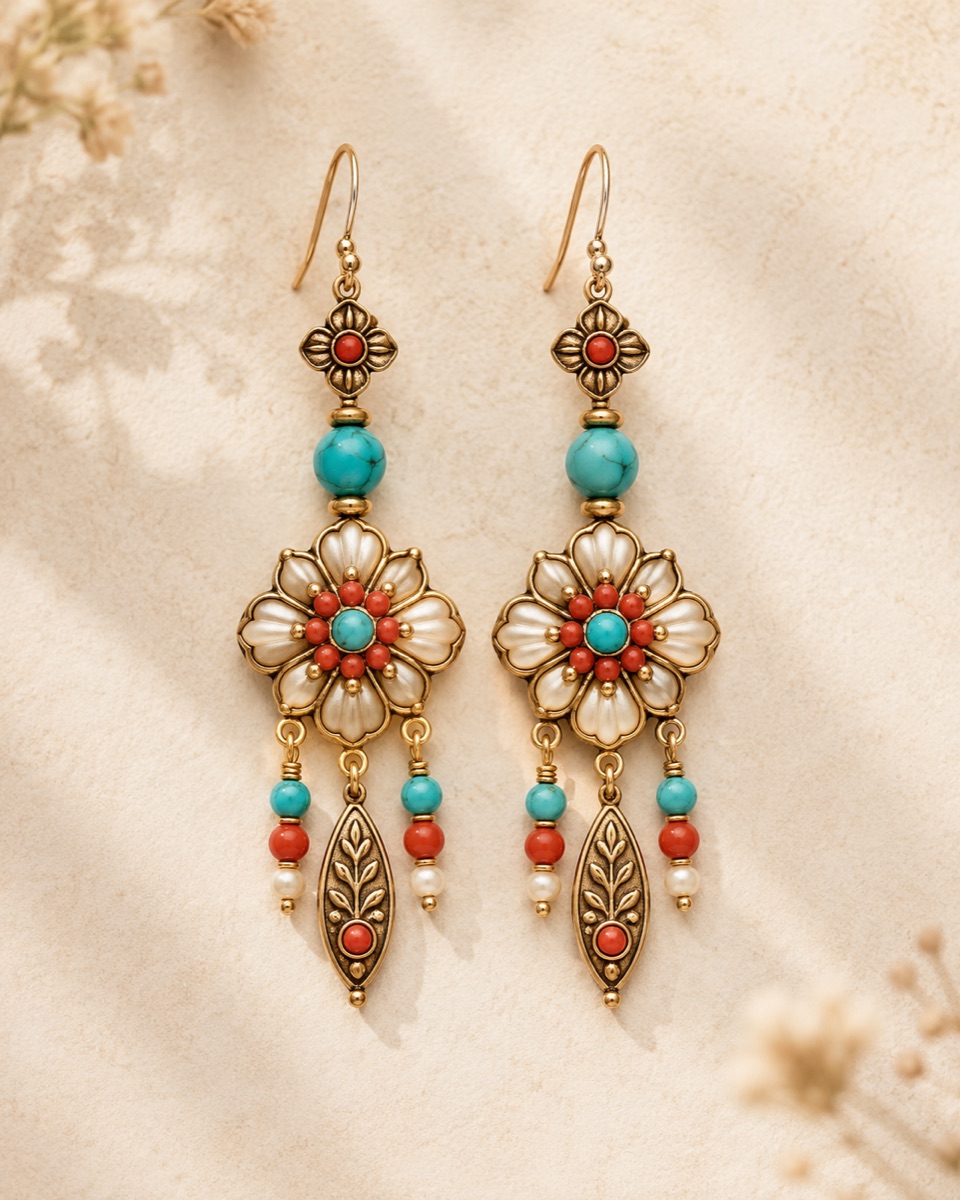
Cinnabar Meaning

Cinnabar (赤砂) is a deep red mineral that has been used in Chinese art and jewelry for over 8,000 years. In Chinese culture, cinnabar represents:

Imperial power. Cinnabar red was the color of Chinese emperors — reserved for the highest authority.

Blessing and good fortune. Cinnabar objects were given as gifts to bring luck, prosperity, and long life.

Spiritual protection. In Taoist tradition, cinnabar was associated with immortality and spiritual transformation.

The Red Thread Tradition

Across Asia, the practice of tying a red thread around the wrist is one of the most ancient forms of protective jewelry:

In Tibetan Buddhism, red threads are blessed by lamas and tied around the wrists of the faithful for protection and good fortune.

In Chinese tradition, red threads are tied by elders for children and travelers, often during the New Year.

In Hindu tradition, red threads (kalawa) are tied during religious ceremonies for blessing and protection.

Our red cord phone charms and bracelets carry this ancient tradition into the modern world. Shop red cord charms →

Continue Reading