Jewelry with Spirit · Stories in Every Piece
Nara Charm

Crystal Meanings

Turquoise Meaning: The Stone of Protection, Sky & Sacred Wisdom

Discover the meaning and healing properties of turquoise — a sacred stone of protection, wisdom, and the sky. Learn what turquoise means across cultures and how to wear it.

By Nara Charm·June 30, 2026·6 min read

What Is Turquoise?

Turquoise is one of the oldest known gemstones — used in jewelry for over 7,000 years. Its distinctive blue-green color, often with dark veins (matrix) running through it, makes it instantly recognizable.

Unlike many gemstones, turquoise is opaque — its beauty comes not from transparency but from its rich, varied color and the natural patterns of the matrix lines. No two turquoise stones are ever identical.

Turquoise has been sacred to cultures across the world — from Native American tribes to Tibetan Buddhists to ancient Egyptians. It is, perhaps, the most universally revered stone in human history.

Turquoise Meaning Across Cultures

In Tibet, turquoise is not just a decoration — it is considered a piece of the sky that fell to earth. It is given to children at birth, worn throughout life, and is believed to offer protection, good fortune, and a connection to the divine. The Dalai Lama himself is often seen wearing turquoise.

Among Native American tribes (especially the Navajo, Zuni, and Hopi), turquoise is a sacred stone of protection, used in ceremonial jewelry and believed to bring rain, health, and spiritual power.

In ancient Egypt, turquoise was associated with the goddess Hathor and was used in royal jewelry and burial amulets. The famous mask of Tutankhamun contains turquoise inlays.

In ancient Persia (modern Iran), turquoise was worn around the neck or wrist to protect against unnatural death. The Persian word *pirouzeh* means "victory" — the stone's name itself carries a blessing.
Turquoise Healing Properties

In crystal healing, turquoise is believed to offer:

Protection. Turquoise has been a protective stone in nearly every culture that has used it. It is believed to ward off evil, absorb negative energy, and keep the wearer safe — especially during travel.

Communication. Turquoise is associated with the throat chakra, supporting honest, clear communication and self-expression.

Spiritual connection. Because of its sky-blue color, turquoise is considered a bridge between heaven and earth — a stone that connects the wearer to higher wisdom and spiritual guidance.

Physical healing. In traditional practices, turquoise is believed to support the immune system, reduce inflammation, and aid detoxification.

Tibetan Turquoise: Why It's Special

In Tibetan culture, turquoise holds a unique place. It is one of the most common stones in Tibetan jewelry — more valued than gold in some contexts.

Tibetan turquoise tends to be greener and more matrix-rich than American turquoise, with natural variations that Tibetans consider marks of authenticity. Perfectly uniform "turquoise" is often dyed howlite; real turquoise has character.

A traditional Tibetan saying: *"Wear turquoise, and the sky will always watch over you."*

At Nara Charm, our turquoise bracelets use natural turquoise beads — each one slightly different, with genuine matrix lines. Shop our Turquoise Sky Bracelet →

How to Wear Turquoise

Turquoise bracelets are the most popular way to wear the stone for daily protection and grounding energy.

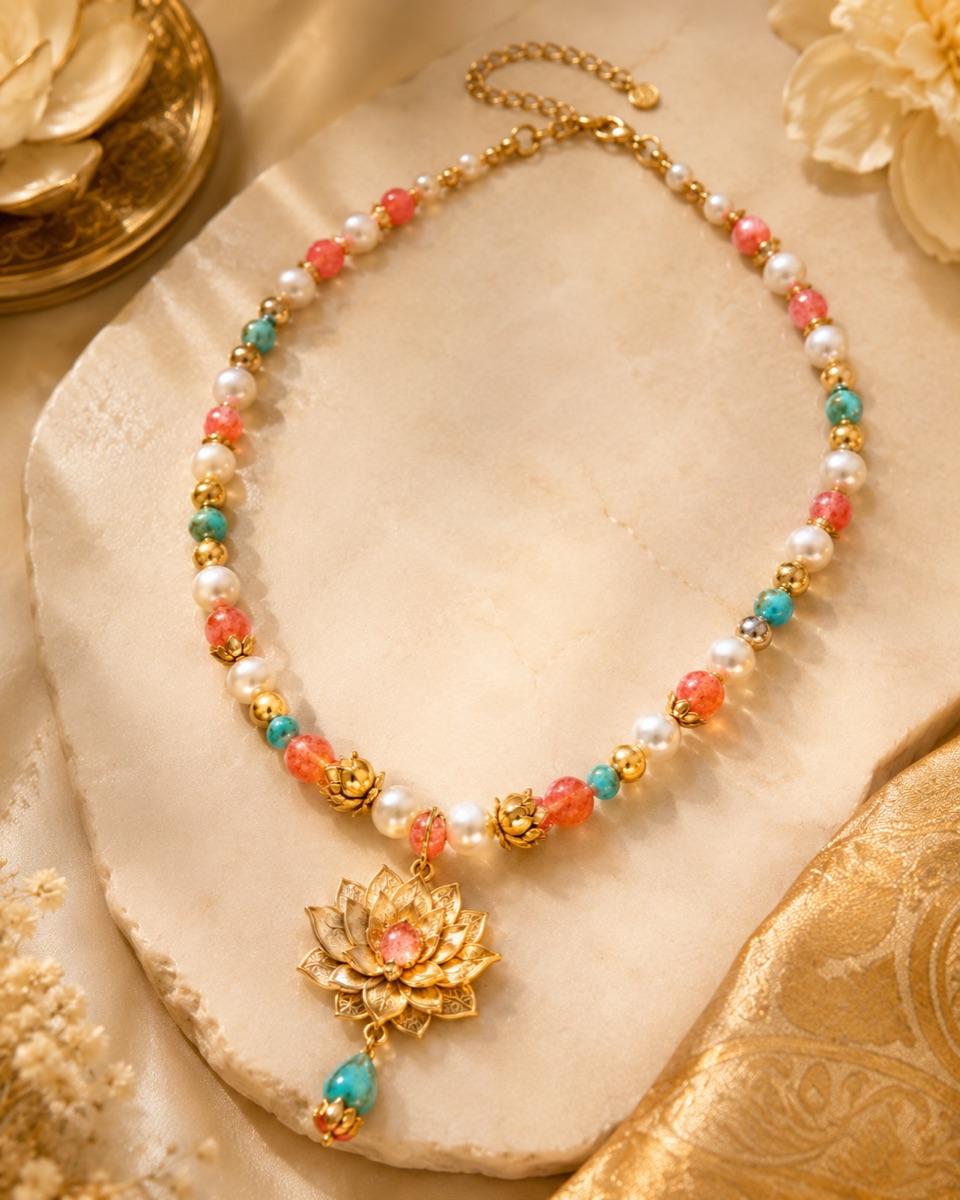
Turquoise necklaces keep the stone near the throat chakra, supporting communication.

Turquoise rings on the index finger are believed to enhance leadership and self-confidence.

Turquoise pairs beautifully with silver — especially Tibetan silver, which has a darkened, antiqued patina that complements the stone's blue-green perfectly.

How to Care for Turquoise

Turquoise is a relatively soft, porous stone, requiring special care:

Avoid water and chemicals. Turquoise can absorb liquids, which can change its color over time. Remove turquoise jewelry before showering, swimming, or washing dishes.

Avoid prolonged sunlight. Like amethyst, turquoise can fade in direct sunlight. Store it in a soft pouch away from light.

Avoid cosmetics. Put turquoise jewelry on after applying lotion, perfume, or hairspray — these can stain or damage the stone.

Clean gently. Wipe with a soft, dry cloth. Never use ultrasonic cleaners or steam.

Continue Reading