Jewelry with Spirit ยท Stories in Every Piece
Nara Charm

Care Guide

How to Clean Your Crystal Jewelry: Safe Methods for Every Stone Type

Learn safe methods to clean crystal jewelry by stone type. From dry cloth care for soft stones to gentle rinses for hard stones, plus what to avoid and a 2-minute daily routine.

By Nara CharmยทJul 22, 2026ยท5 min readNew

Why Cleaning Crystals Matters

Over time, your crystal jewelry accumulates more than just dust. Natural oils from your skin, lotions, environmental pollutants, and even the energetic residue of the people and places you encounter all build up on the surface of your stones.

Regular cleaning serves two purposes: it keeps your crystals looking their best โ€” maintaining their natural luster and color โ€” and in crystal healing traditions, it clears the accumulated energy so the stone can work at its full potential.

A clean crystal is a happy crystal. But not all stones can be cleaned the same way.

Safe Methods by Stone Hardness

The most important factor in choosing a cleaning method is your stone's hardness on the Mohs scale. Here's how to clean each category safely:

Soft stones (Mohs 1โ€“5) โ€” Turquoise, lapis lazuli, selenite, howlite, opal. These stones are porous and easily damaged. Dry cloth only. Wipe gently with a soft, lint-free cloth after each wear. No water, no soap, no soaking. For porous stones, even brief contact with water can cause discoloration over time.

Medium stones (Mohs 5โ€“7) โ€” Amethyst, rose quartz, jade, obsidian, aventurine, carnelian. Mild soap and water. Use lukewarm water with a tiny drop of mild dish soap. Dip a soft cloth in the solution, wring it out thoroughly so it is just damp, and wipe each bead individually. Dry immediately with a clean soft cloth.

Hard stones (Mohs 7โ€“10) โ€” Clear quartz, citrine, garnet, tourmaline. Gentle rinse. You can briefly rinse these stones under cool running water, then dry thoroughly. Avoid hot water, which can cause thermal shock and crack the stone.

When in doubt, use a dry cloth. A gentle wipe is always safe for any stone.
What to Avoid

Just as important as knowing what to do is knowing what NOT to do:

Avoid ultrasonic cleaners for fragile stones. Ultrasonic vibrations can crack porous or included stones like turquoise, lapis lazuli, opal, and emerald. Safe only for diamonds, rubies, and sapphires.

Avoid salt water for porous stones. Salt is abrasive and can scratch soft stones. Salt water can also corrode silver accents. Never soak crystal jewelry in salt water โ€” even for "energetic cleansing."

Avoid direct sunlight for amethyst and rose quartz. Prolonged UV exposure will fade the color of amethyst (from purple to pale yellow) and can dull rose quartz over time. Dry your stones in the shade or indoors.

Avoid harsh chemicals. Bleach, ammonia, acetone, and alcohol can permanently damage natural stones. Stick to plain water or mild soap.

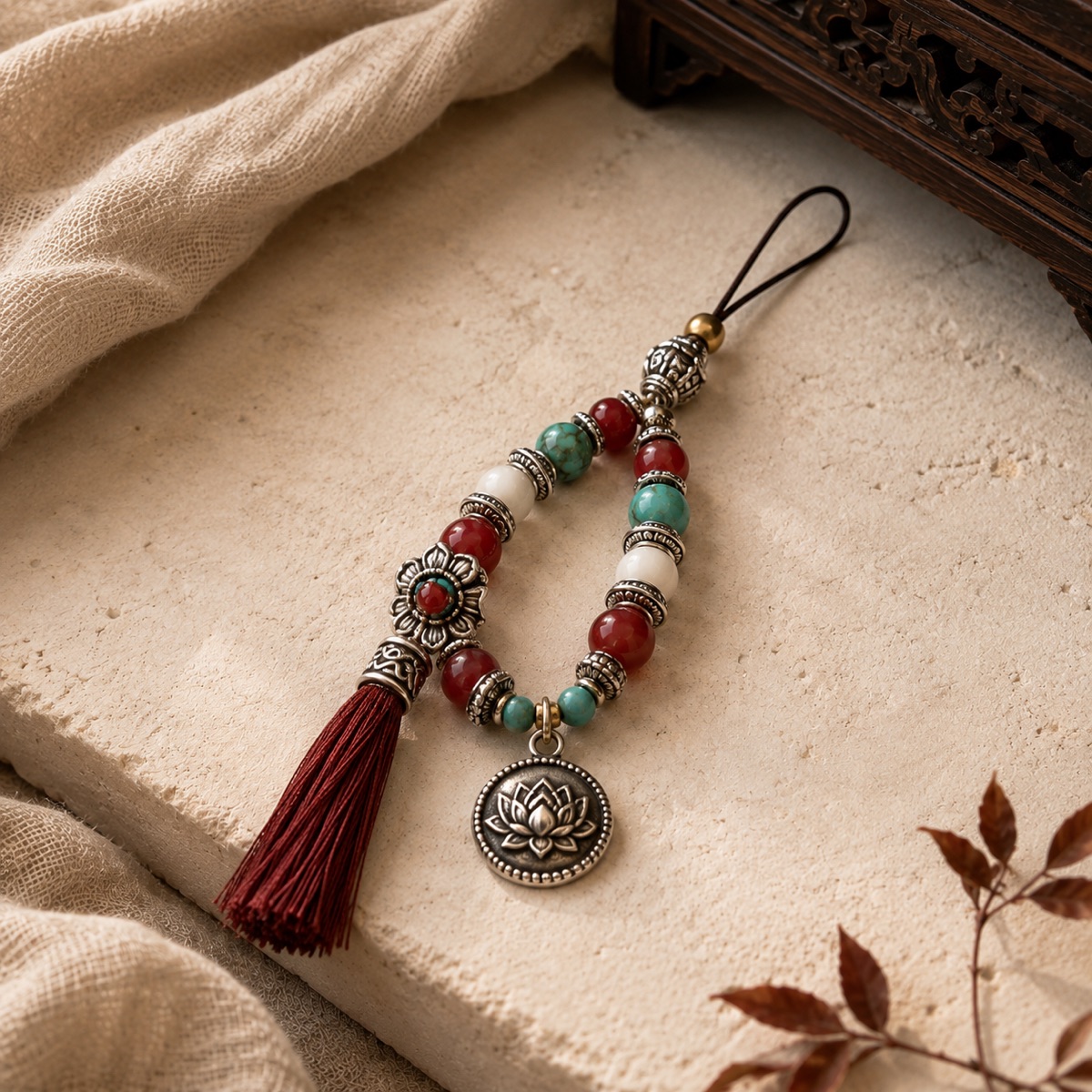
Avoid soaking elastic bracelets. Water weakens the elastic cord. Never submerge a beaded bracelet in water. If you need to clean it, use a damp cloth on the beads individually.

A Quick 2-Minute Daily Clean Routine

Consistency beats intensity. A daily 2-minute routine will keep your crystal jewelry looking beautiful and energetically fresh:

1. After removing your bracelet or necklace, wipe each bead with a soft, dry cloth (10 seconds).

2. For silver accents, buff gently with a silver polishing cloth (20 seconds).

3. Set an intention while you clean. Crystal healers believe that caring for your stones reinforces your connection to them (30 seconds).

4. Store properly โ€” in a soft pouch or separate compartment, away from direct sunlight and moisture (10 seconds).

That is it. One minute of care each evening, and your crystals will stay beautiful for years.

For a deeper cleanse, do a monthly full-moon recharge โ€” place your jewelry on a windowsill where moonlight reaches it overnight. Moonlight is safe for all stones and works as an energetic reset.

Continue Reading

Comments

Loading comments...

Leave a Comment