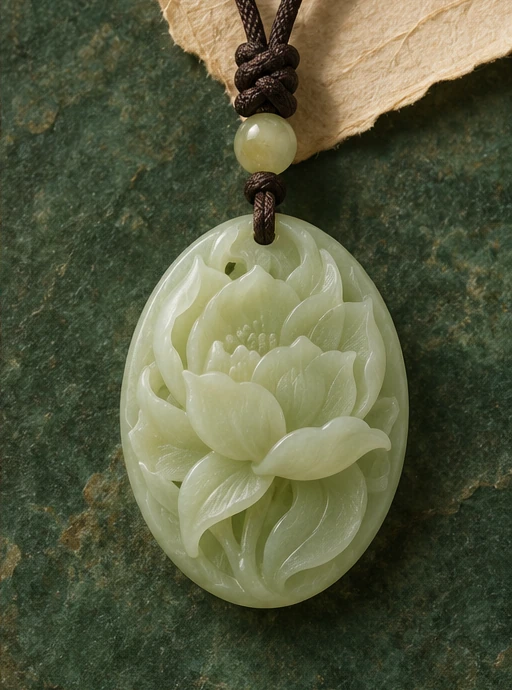
How to Choose a Lotus Motif You Will Wear Often
Compare petal, bud and seed-head shapes and choose a lotus detail that fits how you dress.
1 min read
Look closely at petals, lines, knots and the personal connections people give to jewelry.
Compare petal, bud and seed-head shapes and choose a lotus detail that fits how you dress.
1 min read
Understand modern seven-color bracelet layouts, how sellers label the materials, and what to ask about the visual or symbolic intent.
Look at a documented museum example, learn why an Ojibwe reference needs context and read a contemporary jewelry listing with care.
Compare documented hamsa and khamsa objects, and see what to check when selecting a hand-shaped pendant or charm.
Explore a documented Tibetan bodhiseed mala and learn how bead count, the cord and the terminal bead relate to a prayer-bead object.
Explore documented Miao silver ornaments and look closely at the open wire shapes, joins and ear hooks on contemporary earrings.
Find the endless knot in a documented set of auspicious emblems and distinguish a visible knot motif from an adjustable jewelry closure.
Read the openings inside pendants and earrings as part of the shape you wear.
Compare a working knot and a knot-shaped detail, then find a design whose meaning feels personal.
See how a designer uses the bend of a stem, a seed shape or the outline of a leaf.
Turn one specific detail of a place, person or ordinary day into a piece you can wear.
Explore how one shared color can connect cord, stone-colored details and metal finishes.
Explore the meaning behind Tibetan jewelry symbols — the lotus, endless knot, turquoise, and Dzi beads. Learn what these sacred symbols mean and why they're worn.
Read the eye as a symbolic jewelry motif and look for the context behind a particular design.
Look closely at an Egyptian beaded collar, a Roman carnelian ring and a Qing nephrite pendant using photographs and object records from The Met.